


The Importance of Alberta’s History and Its Contributions to Canada
The history of Alberta holds a vital place within the broader story of Canada, illustrating a province shaped by innovation, resilience, and a diversity of people and experiences. From its Indigenous roots to its modern-day role as an economic and cultural powerhouse, Alberta’s history is not only significant to its own residents but has been integral to Canada’s development as a nation.
Long before Alberta joined Confederation in 1905, the land was home to Indigenous Nations who have lived here for millennia. The Blackfoot Confederacy, Cree, Dene, and the Nakota Sioux lived on the land, built thriving societies, and contributed essential knowledge about sustainable living. Their traditions, stories, and contributions continue to shape Alberta and remind us of its deep and lasting heritage. The fur trade, beginning in the 18th century, marked one of the first significant connections between Alberta and Canada, as the land became an essential hub for trade routes and relationships between Indigenous peoples and European fur traders.
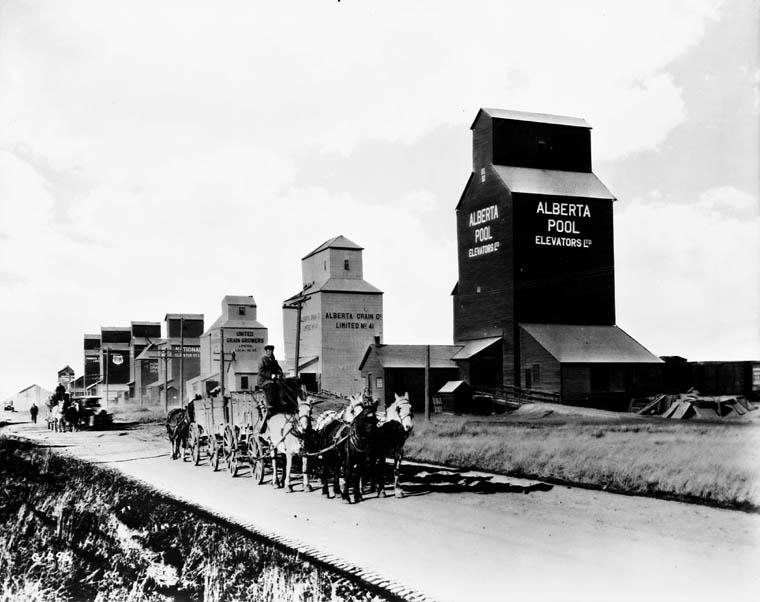
The late 19th and early 20th centuries marked a new chapter for Alberta, as settlers from across Canada, Europe, and beyond arrived to farm its vast prairies. This agricultural boom turned Alberta into Canada’s breadbasket, playing a critical role in feeding the country and the world. The Canadian Pacific Railway, which connected Alberta to eastern markets, further cemented the province’s role in national unity and economic growth. Through its fertile land and hard-working communities, Alberta became a symbol of opportunity and perseverance, showcasing the prairie spirit that defined Canada’s western expansion.
Alberta’s contributions to Canada, however, extend far beyond agriculture. The discovery of oil at Leduc No. 1 in 1947 transformed the province into an economic engine, sparking the growth of Canada’s energy sector. Alberta quickly became a leader in oil and gas production, fueling Canada’s economy, creating jobs, and positioning the country as a global energy player. Cities like Calgary and Edmonton emerged as economic hubs, attracting businesses, workers, and investments from around the world. Alberta’s natural resources have provided immense wealth and development opportunities for Canada while spurring important national conversations about sustainability and innovation in energy practices.
Culturally, Alberta has made profound contributions to Canada’s identity. The province is known for its vibrant arts and cultural scenes, from the Calgary Stampede, often referred to as “The Greatest Outdoor Show on Earth,” to the Edmonton International Fringe Theatre Festival, one of the largest in the world. Alberta’s heritage is also reflected in its strong multicultural communities, with immigrants contributing their skills, traditions, and cultures to enrich Canadian society. Alberta has given rise to influential Canadians in politics, arts, sports, and academia, including leaders such as former Prime Minister R.B. Bennett, NHL stars like Jarome Iginla, and writers like W.O. Mitchell, whose works capture the heart of prairie life.
Furthermore, Alberta’s natural beauty has made it a cornerstone of Canada’s tourism industry. With landmarks like Banff and Jasper National Parks in the heart of the Canadian Rockies, Alberta has helped define Canada’s reputation as a land of stunning landscapes and outdoor adventure. Millions of visitors come every year to experience its mountains, lakes, and wildlife, boosting local and national economies while fostering pride in Canada’s natural heritage.
In essence, Alberta’s history reflects the determination, diversity, and innovation that define Canada as a whole. From its Indigenous roots and agricultural beginnings to its role as an economic leader and cultural beacon, Alberta’s contributions have been essential to shaping Canada’s past, present, and future. Understanding and celebrating Alberta’s history allows Canadians to appreciate not just a province, but a vital part of the national story.
Hi, this is a comment.
To get started with moderating, editing, and deleting comments, please visit the Comments screen in the dashboard.
Commenter avatars come from Gravatar.